
Shockwave IVL Overview for Patients
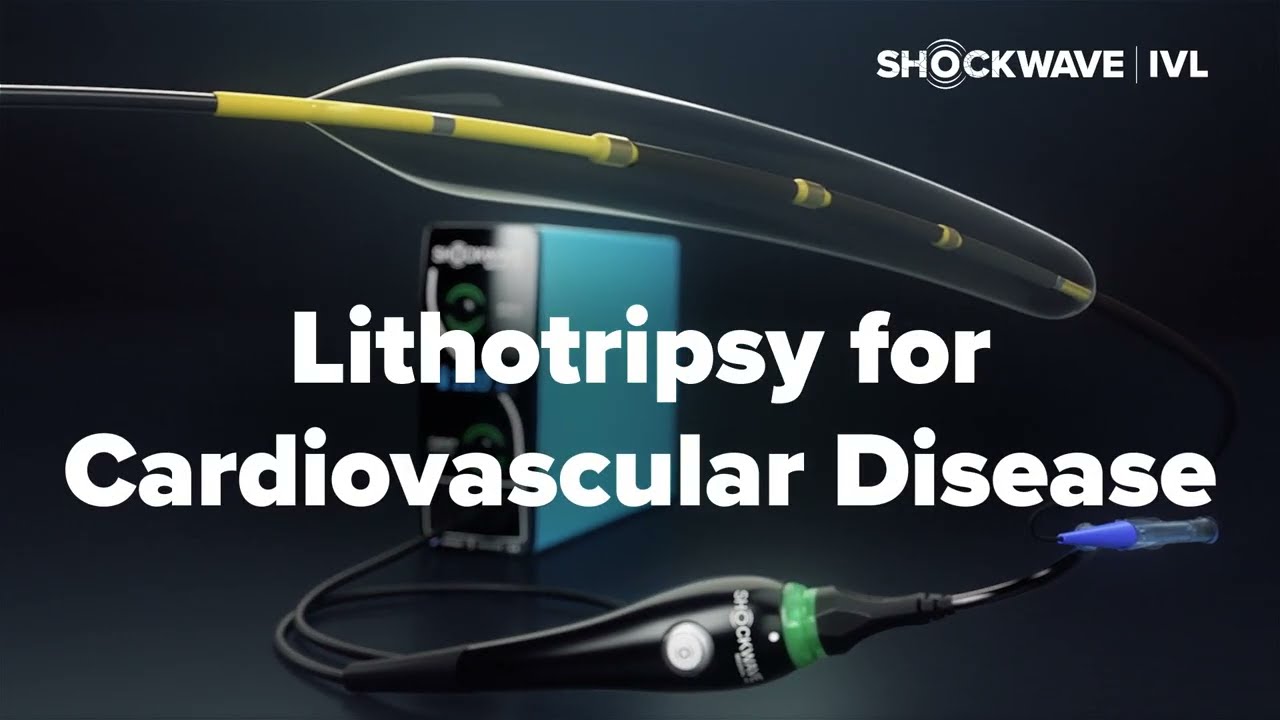
Shockwave Intravascular Lithotripsy (IVL) is a low-risk, ultrasonic sound wave-based treatment your doctor can use to break up calcium in your blood vessels.
Treating Calcium Buildup in Blood Vessels
Has your doctor told you that you have calcium buildup or blockages in your blood vessels? If so, this calcium can be as hard as bone, which makes treating it very difficult. For over 30 years, doctors have used ultrasonic sound waves to break up kidney stones with a treatment called lithotripsy. Kidney stones and calcium buildup are very similar. That’s why Shockwave IVL technology uses a new, but similar, type of lithotripsy to break up calcium in your blood vessels to help restore normal blood flow.
How Shockwave IVL Works
-

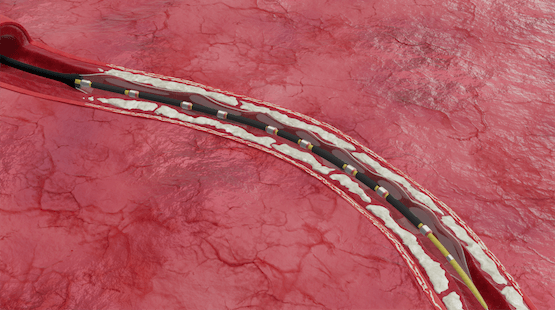
Your doctor inserts the Shockwave IVL device
Your doctor temporarily places a Shockwave IVL device called an IVL catheter into the blood vessel where the calcium buildup is blocking blood flow. -
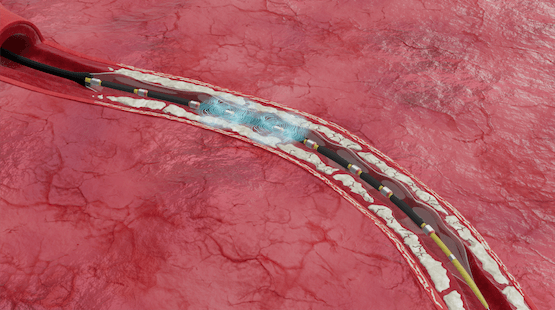
Ultrasonic sound waves break up calcium buildup
Your doctor activates ultrasonic sound waves inside the catheter. They are strong enough to break up calcium buildup but minimize trauma in the artery. The IVL device is removed after the treatment is complete. -
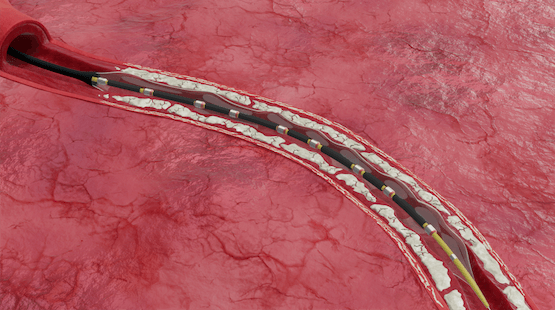
Ready for the next step
Now the broken-up calcium is more flexible and your doctor can place a stent or use another solution to help restore blood flow.
Dr. Merrill Krolick is a paid consultant of Shockwave Medical.

Statistics Callout
This section presents key statistical information with numbers and descriptions.
-
1million+Patients treated
-
350+Clinical studies
-
20,000+Patient outcomes published
Ultrasonic sound waves break up hard calcium but don’t hurt your blood vessels
- Shockwave IVL treatment does not cut or scrape inside your blood vessels
- Ultrasonic sound waves pass through your blood vessels and soft tissue without hurting them
- Ultrasonic sound waves only affect the calcium buildup that prevents normal blood flow
- The broken-up calcium stays in place. There’s no loose calcium that can travel through your vessels and cause other problems
Evidence from clinical studies shows that Shockwave IVL is effective
- More than 350 clinical studies around the world provide proof that Shockwave IVL works
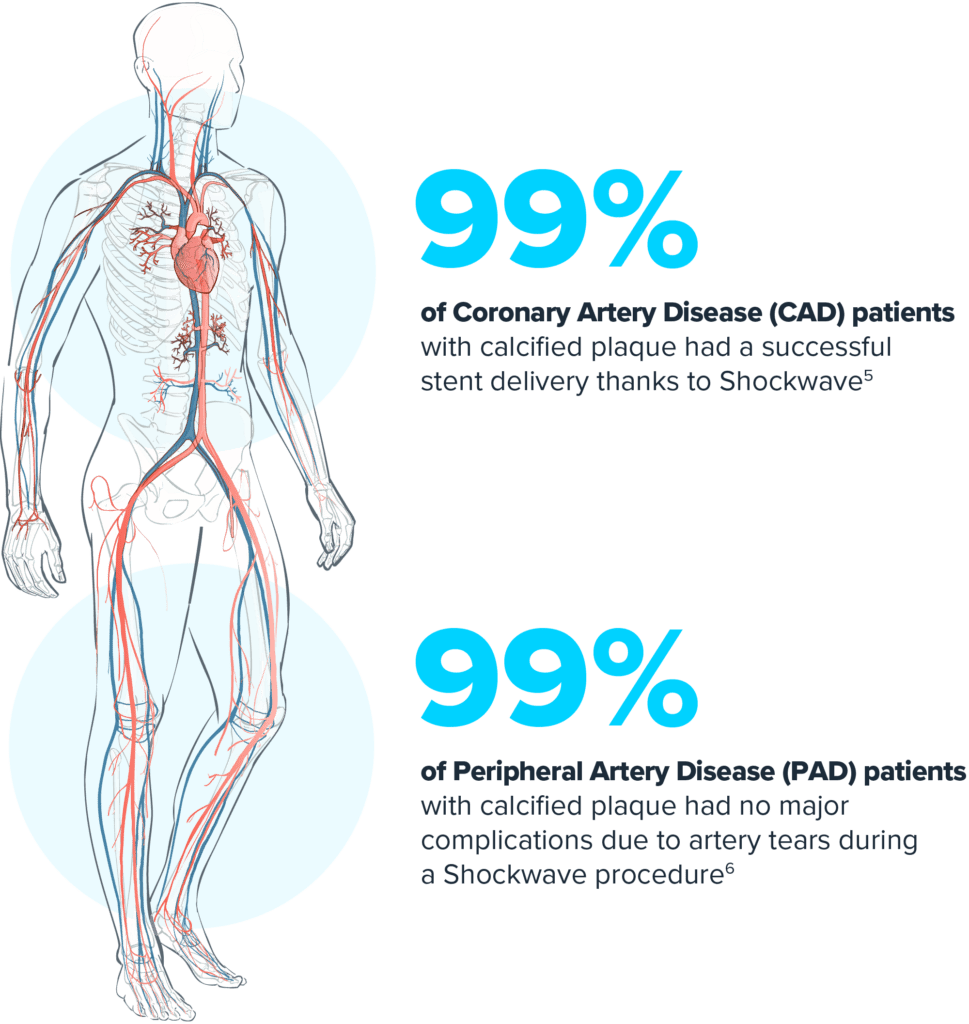
- Shockwave IVL works for both coronary artery disease and peripheral artery disease
Shockwave IVL has successfully been used to treat more than one million patients around the world
- Doctors report a reliable safety record and a low rate of complications for Shockwave IVL1, 2, 3, 4
- More than 500 journal articles have been published validating the safety and efficacy of Shockwave IVL
Benefits of Intravascular Lithotripsy (IVL)
This content is not intended to replace your doctor’s professional advice or information. For any questions or concerns you may have regarding your personal diagnosis, treatment and health, please discuss with your doctor.
- Calcium deposits in our arteries often lead to the restriction of blood flow, and can result in poor clinical outcomes if it is not addressed adequately during treatment.
- IVL allows for modification of such calcium deposits to facilitate the physician’s desired definitive therapy and enhance blood flow.
Risks
IVL has been demonstrated to be a relatively safe procedure, but there are risks associated with all medical procedures. Although major complications from IVL are uncommon, risks include:
- Bleeding or infection at the catheter insertion site
- Blood vessel trauma from the procedure
- Kidney damage from the dye used during procedure
- Severe complications such as stroke, heart attacks needing hospitalization
- IVL pulses may potentially interfere with certain implanted electrical devices close to its treatment area
- In some cases, additional procedures may be necessary
Talk to your doctors about the likelihood of these risks.
*Individual patient story. Individual patient results may vary. The physician featured is a paid consultant of Shockwave Medical. Views expressed are those of the physician and not necessarily Shockwave Medical.
1: Florek K. et al., J Clin Med 2023;12:7246
2: Riley R.F. et al., JSCAI 2023;101259
3: Sharma S.K. et al., Circ Intv 2019;12:e007448
4: Tepe G. et al., J Am Coll Cardiol 2021;14:1352-61
5: Dean J.K. et al., JACC 2021;14(12):1337-1348
6: Madhavan, M.V. et al., Catheterization and Cardiovascular Interventions 2020; 95(5):959-968